Table of Contents
- Introduction
- What Does “AI in Accounting” Really Mean?
- The Biggest Ways AI Is Transforming Small Business Accounting
- AI vs Human Expertise: Why CPAs Are Still Essential
- The Benefits of AI for Small Businesses in PA & NY
- Risks & Limitations of AI Accounting Tools
- How CPAs in PA & NY Are Adapting to the Future of Accounting
- What Small Businesses Should Do Next
- Conclusion
Introduction
In 2025, artificial intelligence is not replacing accountants – it’s redefining them. From automated bookkeeping to predictive financial insights, AI is transforming how small businesses in Pennsylvania and New York manage their finances. But human CPAs still play a vital role in strategy, compliance, and trust.
What Does “AI in Accounting” Really Mean?
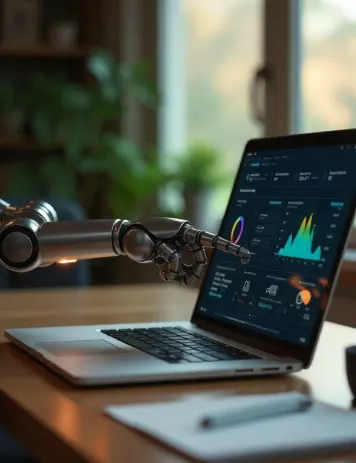
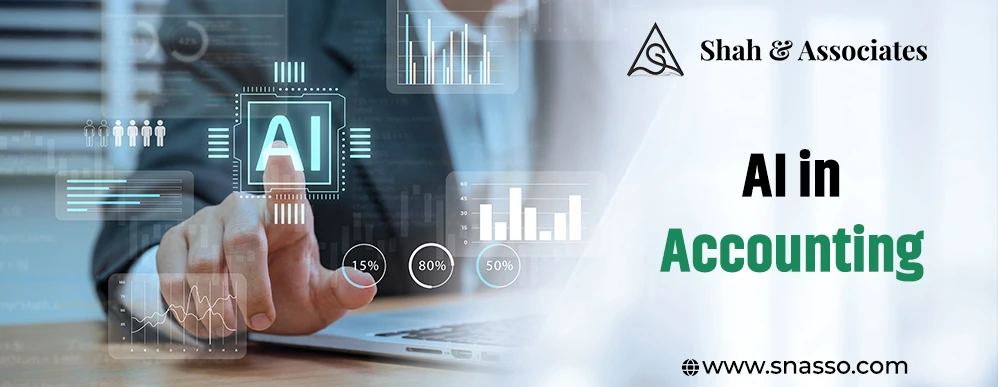
AI in accounting 2025 means the technology that can learn from your data, repeated patterns and perform repetitive tasks automatically like data entry, bank reconciliation or categorization. It detects errors, and analyzes financial data faster than traditional methods.
Real examples:
- QuickBooks AI assistant helps to generate reports and prepares summaries.
- Xero automation can help in categorising expenses and reconcile BRS.
- OCR invoice processing is a software that collects data from invoices.
Small businesses in PA & NY are increasingly using AI technologies for bookkeeping, preparing cash flow and complying with tax deadlines. Automation means less errors and faster closing.
The Biggest Ways AI Is Transforming Small Business Accounting
1. Real-Time Bookkeeping and Reconciliation
In traditional bookkeeping, you need an accountant to record transactions, categorise expenses and summarise reports manually. AI saves hours of manual data entry:
- AI will learn your transaction patterns and automatically categorize your new entries.
- AI detects duplicate entries immediately.
- OCR technology automatically scans and matches receipts to transactions.
Cloud-based integrations and smart bank feeds:
Cloud based integrations like QuickBooks Online, Xero, and Zoho Books can connect directly with bank accounts and credit cards. They allow CPAs and clients in PA or NY to work together and review live financial data together.
2. Predictive Cash Flow Forecasting
AI tools projecting expenses, seasonal patterns, and vendor payments.
- AI uses your previous data like revenue, expenses, vendor payment histories to provide reliable cash flow forecasts.
- Machine learning algorithms analyze past spending history to anticipate future costs.
Why this matters for small businesses with tight budgets:
- AI uses data-driven insights to make more informed spending decisions.
- Negotiate better rates with suppliers based on expected cash positions.
- Avoid deficits by preparing around low-cash months.
3. Fraud Detection and Error Alerts
AI powered accounting systems will continuously evaluate transaction patterns to learn what is “normal” activity for a company. When something differs from patterns like duplicate invoices, the system automatically highlights it for examination.
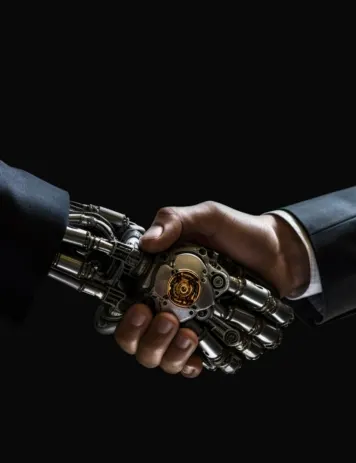
CPA oversight turning alerts into actionable insights.
An AI system may identify a huge vendor payment as suspicious, but a CPA can validate it is a legal year-end transaction.
4. Smart Tax Preparation
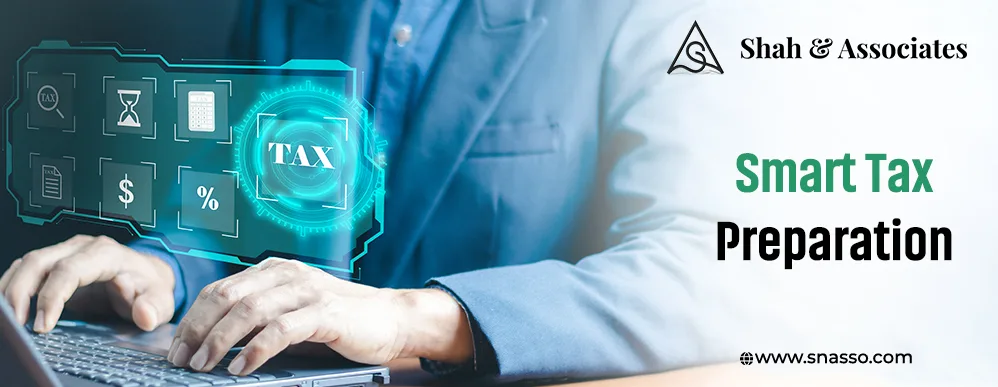
AI categorizing deductions and organizing receipts:
- AI keeps track of the expenses and shows items like office supplies, mileage etc that can qualify deductions.
- AI solutions use OCR (Optical Character Recognition) to read and save receipt details such as date, amount, and category etc. It reduces manual sorting.
- AI reduces human error and saves time by automatically filling out tax forms.
Why a local CPA in PA or NY ensures compliance beyond automation.
AI can do things quickly but cannot replace local expertise.
- PA & NY have complex and changing laws, which AI tools may overlook.
- A certified CPA will ensure that all deductions are genuine.
- CPAs provide strategic guidance, assisting customers in planning for future tax payments, managing credits, and aligning financial decisions with corporate objectives.
5. Data-Driven Decision Making
AI can turn raw numbers into business insights:
- AI can identify which product or services have highest margins.
- AI can detect revenue patterns and warn about signs of decline.
- AI can also highlight unnecessary expenses to stay in budget.
AI vs Human Expertise: Why CPAs Are Still Essential
1. AI can collect, organise and analyse the financial numbers but a CPA can interpret financial patterns and ensure accuracy.
2. A CPA can understand the local rules and regulations. He can ensure that business remains fully compliant with the state tax laws.
3. A CPA can represent his clients before auditors and give proper reasoning of financial status which AI definitely cannot.
Basically, AI can process numbers, but only a CPA understands their story.
The Benefits of AI for Small Businesses in PA & NY
- Faster month-end closings and fewer bookkeeping delays because it eliminates too much manual work.
- AI tools can provide the same efficiency as big firms at small business prices.
- Business owners can track trends, spot cash shortages early, and make informed decisions faster.
Local example:
- In Whitehall, PA, independent contractors use AI bookkeeping tools under CPA guidance to automatically track project expenses, fuel costs.
- In Uniondale, NY, small retailers use AI systems that categorize sales data daily, so their CPA can quickly prepare quarterly reports and tax estimates with greater accuracy.
Risks & Limitations of AI Accounting Tools
When you rely on AI accounting tools, there are some risks involved:
- If a vendor does not use secure encryption, data may be leaked.
- Overtrusting on AI automation can lead to errors or can create compliance issues.
- Automation is only safe if it is controlled by someone. A CPA can review the AI outputs before submission.
How CPAs in PA & NY Are Adapting to the Future of Accounting
- Modern CPA firms are also upgrading themselves and their softwares like QuickBooks AI, Sage Intacct, Dext.
- CPAs are now using AI to work smartly. AI handles day-to-day bookkeeping, while CPAs focus on interpreting the data, optimizing tax strategies, and offering financial insights.
- CPAs educate their clients and help them to choose the right platforms.
At Shah & Associates CPA, we have implemented secure, AI-powered accounting solutions to improve accuracy and safeguard client data via encrypted procedures.
What Small Businesses Should Do Next
- Assess your current bookkeeping workflow.
- Choose CPA firms that integrate AI automation.
- Combine AI tools with local CPA guidance for accuracy and compliance.
Contact us at +1 (718) 725-7424 in Whitehall, PA or Uniondale, NY to learn how AI can streamline your accounting.
Conclusion
AI is revolutionizing accounting, but true financial success comes from combining smart technology with smarter professionals. At Shah & Associates CPA, we help small businesses in PA & NY harness AI without losing the human judgment that drives growth.
Disclaimer: The information provided in this blog is for general educational and informational purposes only. It should not be considered tax, legal, or financial advice. Tax laws and regulations may change, and their application can vary based on your individual circumstances. For advice related to your specific situation, please consult with a qualified CPA, tax advisor, or financial professional before making any decisions.