
Table of Contents
- Introduction
- What Is Messy Bookkeeping?
- Signs Your Books Are Messy
- Why Fixing Books Before Year-End Is Important
- Step-by-Step Guide to Fix Messy Bookkeeping
- Common Causes of Messy Books
- Benefits of Clean Bookkeeping
- Tools That Help Fix Messy Bookkeeping
- When to Hire a CPA for Bookkeeping Cleanup
- How Shah & Associates CPA Fixes Messy Books
- Why Businesses Trust Shah & Associates CPA
- Mistakes to Avoid During Bookkeeping Cleanup
- Year-End Bookkeeping Checklist
- FAQs
- Final Thoughts
Introduction
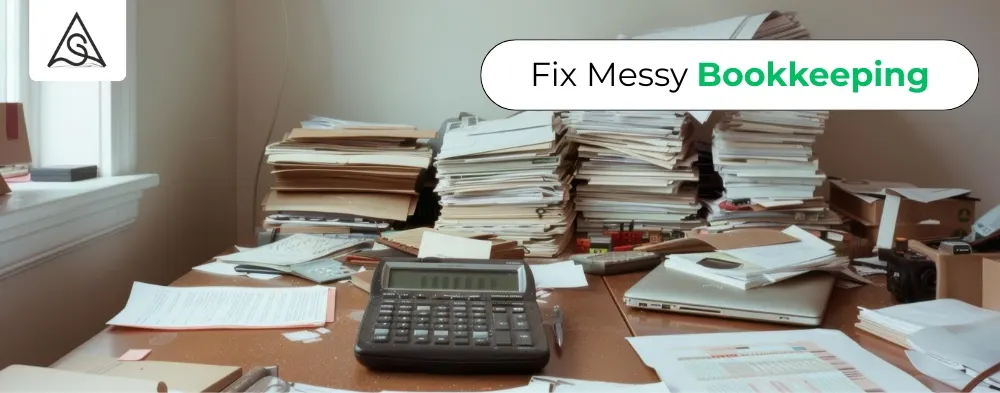
Messy books are one of the biggest hidden problems in small businesses.
Many business owners focus on growth, sales, and operations but neglect bookkeeping until tax season. By then, financial records are often:
- incomplete
- inaccurate
- disorganized
- difficult to reconcile
Messy books can lead to:
- incorrect tax filings
- missed deductions
- cash flow confusion
- IRS penalties
- poor business decisions
The good news?
You can fix messy bookkeeping and doing it before year-end is one of the smartest financial moves you can make.
This guide will show you:
- how to identify messy bookkeeping issues
- step-by-step cleanup process
- tools and best practices
- common mistakes to avoid
- how Shah & Associates CPA helps businesses clean up and optimize their books
What Is Messy Bookkeeping?
Messy bookkeeping refers to financial records that are:
- incomplete
- inaccurate
- inconsistent
- not reconciled
It often happens when bookkeeping is delayed or done without proper systems.

Signs Your Books Are Messy
If you notice any of the following, your books likely need cleanup:
Inconsistent Financial Reports
Your profit and loss statement changes frequently without explanation.
Bank Accounts Not Reconciled
Your accounting records do not match your bank statements.
Missing Transactions
Some income or expenses are not recorded.
Duplicate Entries
Transactions appear more than once.
Negative Account Balances
Accounts show unrealistic or incorrect values.
Why Fixing Books Before Year-End Is Important
Cleaning your books before year-end helps:
- prepare accurate tax returns
- maximize deductions
- reduce audit risk
- improve financial clarity
- support better decision-making
Waiting until tax season increases stress and risk.
Step-by-Step Guide to Fix Messy Bookkeeping
Step 1: Gather All Financial Records
Start by collecting:
- bank statements
- credit card statements
- invoices
- receipts
- payroll records
Complete documentation is essential.
Step 2: Reconcile Bank Accounts
Compare:
- accounting records
- bank statements
Fix discrepancies such as:
- missing transactions
- duplicate entries
- incorrect amounts
Step 3: Categorize Transactions Correctly
Ensure all transactions are properly classified.
Examples:
- expenses
- revenue
- assets
- liabilities
Correct categorization improves reporting accuracy.
Step 4: Remove Duplicate Entries
Duplicate transactions can inflate expenses or income.
Identify and delete duplicates carefully.
Step 5: Record Missing Transactions
Review all records and ensure every transaction is entered.
Missing data can distort financial results.
Step 6: Review Accounts Payable and Receivable
Check:
- unpaid invoices
- outstanding bills
Ensure all balances are accurate.
Step 7: Adjust Journal Entries
Make necessary adjustments to correct:
- misclassified expenses
- incorrect balances
- accounting errors
Step 8: Verify Payroll Records
Ensure payroll data is:
- accurate
- compliant
- properly recorded
Payroll errors can lead to serious penalties.
Step 9: Review Financial Statements
After cleanup, review:
- profit and loss statement
- balance sheet
- cash flow statement
Ensure they reflect actual business performance.
Step 10: Implement a System for Ongoing Accuracy
After cleanup, establish processes to maintain clean books.
Common Causes of Messy Books
Lack of Regular Bookkeeping
Delaying bookkeeping leads to backlog and errors.
Mixing Personal and Business Finances
This creates confusion and inaccurate records.
Incorrect Software Setup
Improper accounting software configuration leads to errors.
Manual Data Entry Errors
Human errors can accumulate over time.
Benefits of Clean Bookkeeping
Businesses with clean books can:
- file taxes accurately
- identify financial trends
- improve profitability
- make better decisions
- avoid penalties
Tools That Help Fix Messy Bookkeeping
Popular tools include:
- QuickBooks
- Xero
- accounting automation software
However, tools alone are not enough. Proper setup and oversight are essential.
When to Hire a CPA for Bookkeeping Cleanup
If your books are significantly disorganized, professional help is recommended.
You should consider hiring a CPA if:
- records are incomplete
- accounts are not reconciled
- financial statements are inaccurate
- tax filing is approaching
How Shah & Associates CPA Fixes Messy Books
Shah & Associates CPA provides structured bookkeeping cleanup services.
The process includes:
Detailed Financial Review
Analyzing current records to identify errors.
Account Reconciliation
Ensuring all accounts match actual financial data.
Transaction Cleanup
Correcting misclassified and duplicate entries.
Financial Statement Preparation
Creating accurate reports for business use and tax filing.
Ongoing Bookkeeping Support
Helping businesses maintain clean books year-round.
Why Businesses Trust Shah & Associates CPA
Shah & Associates CPA helps businesses:
- clean up financial records
- improve bookkeeping systems
- prepare accurate tax filings
- maintain compliance
With professional support, businesses gain clarity and confidence in their finances.
Mistakes to Avoid During Bookkeeping Cleanup
Rushing the Process
Cleanup requires careful review.
Ignoring Small Errors
Small mistakes can accumulate into larger problems.
Not Keeping Documentation
Always maintain supporting records.
Trying to Fix Everything Alone
Complex bookkeeping issues require professional expertise.
Year-End Bookkeeping Checklist
✔ reconcile all bank accounts
✔ categorize all transactions
✔ verify payroll records
✔ review financial statements
✔ ensure documentation is complete
✔ prepare for tax filing
Real Examples
| Business before cleanup: | Revenue recorded: $150,000 |
| Actual revenue: | $180,000 |
| Issue: | Expenses overstated due to duplicates |
| Result: | Incorrect profit calculation |
| After cleanup: | Accurate financial statements |
| Improvement: | Improved tax filing |
| Outcome: | Better financial decisions |
FAQs
What is messy bookkeeping?
Messy bookkeeping refers to inaccurate or incomplete financial records.
How do I fix messy bookkeeping?
By reconciling accounts, correcting errors, categorizing transactions, and reviewing financial statements.
Why is bookkeeping cleanup important?
It ensures accurate tax filing and better financial decision-making.
Can I fix my bookkeeping myself?
Simple issues can be fixed, but complex problems require professional help.
When should I clean up my books?
Before year-end or tax season.
How long does bookkeeping cleanup take?
It depends on the level of disorganization.
Final Thoughts
Fixing messy bookkeeping is essential for business success.
Clean books provide:
- financial clarity
- compliance
- improved decision-making
- reduced stress
By addressing issues before year-end, businesses can avoid problems during tax season.
If your books are disorganized and you need professional help:
Shah & Associates CPA provides expert bookkeeping cleanup services.
Get your financial records back on track and prepare your business for success.
Financial insights provided by Shah & Associates CPA, helping businesses in New York and Pennsylvania with accounting, tax planning, and compliance.
Disclaimer: The information provided in this blog is for general educational and informational purposes only. It should not be considered tax, legal, or financial advice. Tax laws and regulations may change, and their application can vary based on your individual circumstances. For advice related to your specific situation, please consult with a qualified CPA, tax advisor, or financial professional before making any decisions.